This document provides a sythesis of key research results emerging from the Feed the Future Innovation Lab for Markets, Risk and Resilience its predecessor, the Feed the Future Innovation Lab for Assets and Market Access.
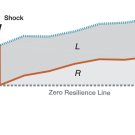
Our research shows that index insurance will hold more economic value when zones group farms that tend to experience similarly low levels of production at the same times.
This study in Mozambique and Tanzania found that farmers with a more external locus of control expected lower returns on improved maize seeds and were less likely to adopt them.
An audit rule that is activated when farmers believe an index has failed can serve as a fail-safe mechanism to ensure the insurance contract provides the intended protection.
MRR's Village Insurance Savings Accounts (VISA) model offers multiple benefits for increasing farmer uptake of insurance. The model's design builds inclusion, understanding, affordability among users, and lower costs for the provider.
After eight years and Covid lockdowns, the treatment group that received cash, nutrition trainings and home visits was less likely to be food insecure.
An ex-post evaluation of a nutrition-and-gender-sensitive agricultural intervention in Bangladesh found that bundling nutrition and agriculture training may contribute to resilience as well as to sustained impacts on consumption, women’s empowerment, and asset holdings in the medium term.
Lab-in-the-field experiments in Ghana found that participants were less likely to share risk, and more likely to select insurance, when their wealth was unequal. The findings raise the prospect that addressing inequality could have spillover effects for poverty reduction and resilience.