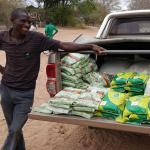
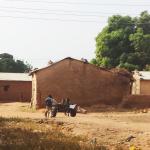
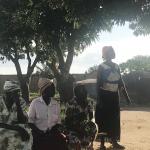
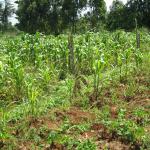
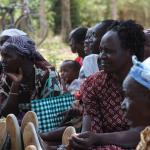
This MRR Innovation Lab project in Mozambique is testing short-term subsidy and training programs for rural households to learn about stress-tolerant maize bundled with index insurance.
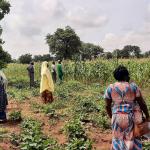
This Feed the Future ALL-IN project is testing interlinked credit, index insurance and cultivation of stress-tolerant maize varieties to strengthen women’s productivity, income and resilience.
This Feed the Future ALL-IN project tests credit and formal repayment contracts in Northern Ghana, which may increase the sector’s profitability and overall shea supply while empowering women to receive the full benefits of their work.
This Feed the Future ALL-IN project tests whether nutrition-related messages by mobile phone reinforce the impacts of earlier development programming on families’ nutrition and resilience.
This new ALL-IN study measures the socio-economic impact of Ghana’s government policy initiative dubbed “One Village, One Dam” (1V1D) implemented in Northern Ghana since 2017.
In Uganda, new ALL-IN research is testing a comprehensive approach to supporting women to improve their on-farm productivity, increase their resilience to shocks and enhance their overall empowerment.
This ALL-IN project in Kenya is testing practical ways to encourage farmers to test their soils and to apply appropriate soil amendments, including an estimate of farmers’ willingness to pay for soil testing.
An ALL-IN research team has launched a comprehensive study to provide the first evidence from a national program on the impact of weather and market advisories on farmers’ decision making, including for women and poor families.
MRR Innovation Lab researchers are putting small-scale farmers in the lead in designing the most productive community incentive structures for adopting sustainable land management practices in Malawi.
MRR Innovation Lab researchers are testing financial contracts for rain collecting water tanks, including a layaway savings plan, an asset-collateralized loan and a hybrid option that enables farmers to save towards the loan’s deposit.