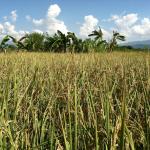
This project will develop improved index insurance policies for small-scale farmers to create stronger demand and impact for index insurance in Ghana, with a particular focus on improving the accuracy of how well products predict actual crop losses.
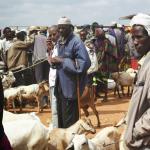
This randomized controlled trial (RCT) will investigate the impacts of the Rural Entrepreneur Access Project (REAP) Graduation Program and Index-based Livestock Insurance (IBLI)—alone and in combination—at the level of individual household outcomes as well as in terms of local poverty measures.
This collaborative project will explore how risk-reducing technology, motivated and dedicated savings and indexed pre-approved lines of credit can be combined to provide protection against risk to reduce poverty.
This project examines a range of drought-related indices based on data sources and parameters used by HSNP and IBLI. This will help determine which index is most appropriate for an index insurance product that aims to protect households from drought related shocks.
This feasibility study will determine in what contexts in Nepal the development impacts of insurance-based risk management strategies would be maximized, and will assess whether there is data available to create an effective index for an insurance product.
This project evaluates new agricultural technologies that stabilize crop yields and rural incomes in the face of environmental shocks that historically have led to decreased food intake and irreversible, long-term negative impacts especially among young children.
This research puts emphasis on extending access to all in order to make financial liberalization a strategy that helps all levels of society. The project also informs the development of weather insurance programs worldwide, as well as helps clarify the potential of futures markets to improve farmer welfare.